
In U.S. Special Operations Forces personnel, greater repeated blast exposure is associated with a higher prevalence of intracranial aneurysms, according to a recent study.
VA Clinicians Should Counsel Semaglutide Initiators About a 2-Fold Greater Risk of Vision Loss From ‘Eye Stroke’
The use of glucagon-like peptide-1 receptor agonists (GLP-1RAs), considered and effective medications for Type 2 diabetes (T2D) and weight loss, has exploded worldwide. But that doesn’t mean the drug class is completely without downsides.
Anemia From Menstruation Abnormalities Linked to Stroke
Even though, in recent years, stroke incidence in older adults has declined significantly, it appears to be on the rise in younger women.

Updated VA/DOD Stroke Rehabilitation Guidelines Enhance Patient Care
Revised treatment algorithms, 24 new recommendations and an expanded literature review on complementary and integrative health (CIH) approaches
VA’s Pivotal Trial Transformed Hypertension Treatment, Clinical Trial Structure
U.S. Medicine’s 60th anniversary profiles to date have featured interviews with researchers who have dramatically changed the practice of federal medicine, but a comment during last month’s interview prompted an exception for Freis.
Influenza Associated With Coronary, Cerebrovascular Events in Older Veterans
Influenza is a significant contributor to coronary and cerebrovascular events in U.S. veterans and exacerbates underlying conditions, according to a new study.
Cardiac Autonomic Neuropathy Linked to Stroke in T2D
What is the association between cardiac autonomic neuropathy (CAN) with incident stroke among diabetes mellitus patients?
Ovbiagele Focuses on Disparities in Stroke Among Veterans, Others
Many factors play into why some populations have a higher risk of having and dying from a stroke: genetics, blood pressure, cholesterol, diabetes, access to healthy food, lifestyles that do not allow for regular exercise.
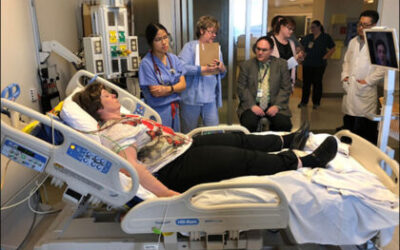
VHA National Telestroke Program Uses Technology to Improves Acute Stroke Care
Prompt access to specialized care is critical to limiting the damage caused by a stroke.
