
In the VHA’s Patient Aligned Care Teams (PACTS) system to provide optimal primary care (PC) for veterans, all members of the PACT are expected to function at the top of their training and scope. That is not the case, however, with nurses, according to a recent survey and analysis.
Larger Health Information Exchange Volume Improves Select Patient Outcomes
A greater volume of health information exchange, the electronic sharing of patient medical information among healthcare organizations, appears to affect patient outcomes for community care and VHA direct care settings differently. In one setting, it improves patient outcomes, but, in the other, the effects are neutral or adverse, a recent study suggested.
Very Low Percentages of Veterans Have Received Contraception Information from Providers
In U.S. veterans of reproductive age, having greater healthcare engagement and more reliance on providers as trusted sources of contraceptive information could improve their knowledge, according to a recent study.
Cured, Prevented and Invented: The Military’s Long Reckoning with Viral Hepatitis
Hepatitis A, B, C and D sit at different points along the vaccine story this series has traced since 1777. One has a vaccine the Army itself invented.

The Geography of Disease and the Need for a Growing Vaccine Arsenal
A military confined to one continent faces one disease environment. A force that deploys anywhere on short notice faces all of them at once.
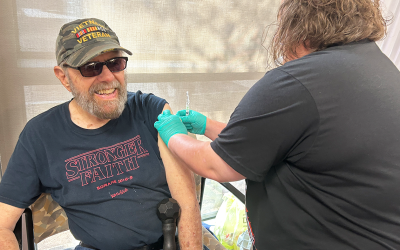
Vaccines Recommended for Veterans
The VA offers a broad vaccine menu, reflecting a population that skews older, often has multiple comorbidities and carries exposure risks specific to military service.

The Longest Battle: U.S. Military vs. Infectious Disease
This year marks the 250th anniversary of our nation—and of U.S. military efforts to protect troops from infectious disease. Surprised? Far from a recent and controversial development, the need to require actions that reduced the risk of an incapacitated fighting force was recognized by George Washington as early as 1776. Building on that, the first mandatory vaccination for all new recruits rolled out 180 years ago.
OIG: VA Remains Challenged in Filling Medical, Other Staff Positions
According to the annual Office of Inspector General (OIG) staffing report, VA hospitals are facing an increase in hiring challenges compared to last year, with facilities reporting a total of 4,712 severe staffing shortages spread across 389 occupations. This is up from 4,434 in fiscal year 2025.
VA Finally Announces Overhaul of Its Decentralized Police Force
After years of ignoring warnings that its decentralized police force resulted in inconsistent standards and lax security at hospitals, VA announced it will be overhauling the force, raising pay rates and creating a unified chain of command that it hopes will solve its long-running issues.
Tele-Robotic Surgery Appears to Be a Highly Feasible Surgical Option for Combat Casualties
Using tele-robotic surgery to provide surgical care for combat casualties is highly feasible, according to a recent study that found latency, or the time delay between an input command and the robotic platform’s response to that command, wasn’t a barrier to using the technology.
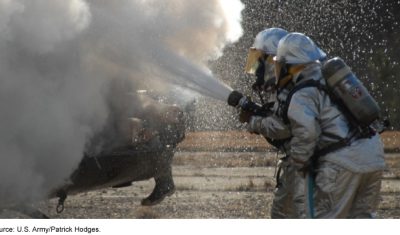
Young Veterans More Likely to Have Higher Levels of ‘Forever Chemicals’ Than Civilians
Young veterans are more likely to have higher levels of “forever chemicals” in their bloodstream than their civilian counterparts, a recent study has confirmed. While researchers could not say for sure what caused the elevated levels, it’s long been established that many military facilities are contaminated due to their use of the chemicals to fight fires.
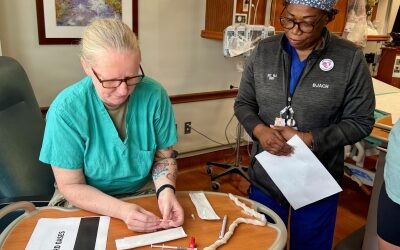
Severe Maternal Morbidity, 30-Day Readmissions Linked to Delivery Volumes at Military Hospitals
In women who delivered at U.S. military hospitals between fiscal years 2019 and 2023, obstetric delivery volume, the number of annual births was significantly associated with severe maternal morbidity and the possibility of 30-day readmissions, according to a recent study.
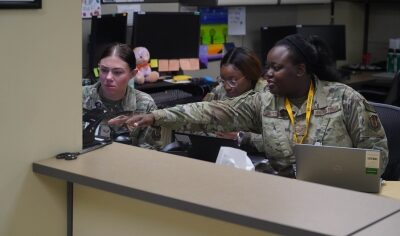
Executive Order Pushes Technology Updates at DoD, VA
President Donald Trump has issued an executive order directing DoD and VA to update their technology and policies to allow for ongoing sharing of servicemember’s records from the moment they enroll in the military.
Machine-Learning Models Can Predict Risk of Suicide and Suicide Attempts in U.S. Army Soldiers, Study Finds
Machine learning methods can be used to predict which U.S. Army soldiers are at comparatively high risk of suicide and suicide attempts over the next 24 months, possibly allowing earlier interventions, according to a recent study.
HHS Secretary’s Campaign Against Vaccines in Military Medicine, Other Departments
HHS Secretary Robert F. Kennedy Jr. is continuing to take aim at a variety of vaccine policies despite significant pushback from Republicans and Democrats in Congress as well as physicians and healthcare organizations.

Pentagon to Reimburse Troops for Sperm and Egg Freezing Before Deployment
Nearly 2,000 U.S. troops suffered debilitating injuries to their groins or genitals during the wars in Iraq and Afghanistan between 2000 and 2013, and about 307,000 more sustained some type of head injury over the same period, all injuries that can compromise fertility and sexual function.
Financial Distress Linked to Higher Suicide Risk in Veterans
Approximately 17 veterans die by suicide every day, according to the latest VA data. As such, identifying factors to assist clinicians in recognizing a veteran’s increasing suicide risk has become increasingly important. A new study pointed to one factor that might deserve more attention—financial distress.
VA Quickly Canceled $1.1 Billion of Contracts During DOGE Era in 2025
VA cancelled hundreds of vendor contracts totaling $1.1 billion during a Department of Government Efficiency (DOGE)-led review in 2025, according to a review by the VA Office of the Inspector General.
Racial and Ethnic Disparities Persist in Pediatric Asthma Despite Military Health Insurance Coverage
Asthma is a common and potentially life-threatening illness that can affect children from all races and ethnicities, but the burden of asthma is not shared equally. Previous studies have shown there are racial/ethnic variations in the prevalence, treatment and outcomes of asthma; these variations can be attributed to barriers to accessing healthcare, costs associated with healthcare and the larger social determinants of health.
Here Are Factors That Might Alleviate Burnout in VHA PCPs
What would help mitigate burnout and the desire to call it quits among primary-care practitioners in the VHA?

Burned Out by Caring for Too Many Complex Patients, Almost One-Third of VHA PCPs Want to Quit
More than half of VHA primary care practitioners responding to a survey reported being burned out, and nearly one-third said they planned to leave, according to a new study examining the effects of high patient panel fullness.

Bipartisan Uproar Occured When Legislators Heard About Billions in Possible VA EHR Cost Overruns
A congressional hearing on the status of VA’s electronic health record system rollout began with accusations from both Democrats and Republicans of incompetence and corruption and ended with a committee vote to subpoena the chief of Oracle, the system’s manufacturer.

Coast Guard Acknowledges Brain Injury Risk from Its High-Speed Craft
Coast Guard leaders have acknowledged the risk of traumatic brain injury (TBI) to its servicemembers caused by repetitive, violent impacts while riding in high-speed craft and promised to improve how the service identifies and prevents brain injury.
Routine EHR Data Can Help Assign Probable Dementia Status
More than half of older adults with Alzheimer’s Disease and Related Dementias (ADRD) are undiagnosed, limiting timely access to person-centered care, according to a new study.
Hybrid Decentralized Trial Design Helps VA Reach More Prostate Cancer Patients
Fewer than 5% of adult cancer patients in the United States enroll in a clinical trial, and the reasons are familiar to any oncologist: Patients live too far from a research center, the time and cost of frequent visits are simply too much on top of a cancer diagnosis, or the facility where they receive treatment does not participate in trials.
Hearing Loss, Tinnitus Are Common in Veterans; Earlier and More Severe Than in Civilians
Hearing loss and tinnitus are highly prevalent among U.S. veterans who use VA healthcare services, and the conditions appear to occur earlier and with greater severity than in civilians, according to a recent study.
Mild Traumatic Brain Injury Linked to Greater Risk of Musculoskeletal Injury in Servicemembers
In U.S. servicemembers, mild traumatic brain injury (mTBI) was associated with a greater risk of subsequent musculoskeletal injury. A recent study highlighted the importance of focusing on musculoskeletal injury risk following an mTBI event.
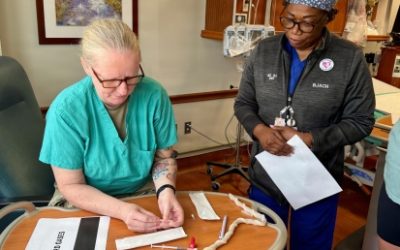
Severe Maternal Morbidity, 30-Day Readmissions Linked to Delivery Volumes at Military Hospitals
In women who delivered at U.S. military hospitals between fiscal years 2019 and 2023, obstetric delivery volume, the number of annual births was significantly associated with severe maternal morbidity and the possibility of 30-day readmissions, according to a recent study.
Pentagon to Reimburse Troops for Sperm and Egg Freezing Before Deployment
Nearly 2,000 U.S. troops suffered debilitating injuries to their groins or genitals during the wars in Iraq and Afghanistan between 2000 and 2013, and about 307,000 more sustained some type of head injury over the same period, all injuries that can compromise fertility and sexual function.
More Than 20% of Veterans Seeking Specialty Medical Appointments Can’t Get Through
More than 1 in 5 veterans calling to set up a specialty care appointment with VA were misrouted, disconnected or forwarded to a nonfunctional telephone number, according to a VA Office of the Inspector General (OIG) investigation.