The Air Force recently celebrated a significant expansion of its trauma readiness center in Cincinnati. That is where military medical personnel can hone skills they’ll need to treat combat casualties.


The Air Force recently celebrated a significant expansion of its trauma readiness center in Cincinnati. That is where military medical personnel can hone skills they’ll need to treat combat casualties.
Since 2004, beginning in the battlefield medicine setting, negative-pressure therapy has been regularly used in the treatment of acute injuries and nonhealing wounds.

During the conflicts in Iraq and Afghanistan, more than half of all injuries involved the extremities.
Researchers at the University of Rhode Island have developed what they describe as a cost-effective, customizable, easy-to-use tabletop pressure wave generator that can mimic the kind of explosive blasts that cause brain injury in military servicemembers.
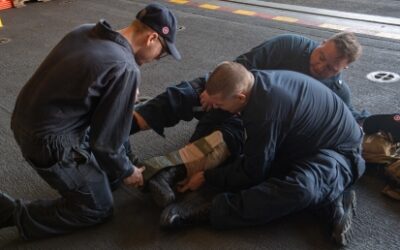
The current state of combat-casualty readiness in the military health system has degraded to the point where the country is unprepared to care for the casualties that would result from a major conflict, experts told Congress last month.
While VA has long considered itself a provider of world-class prosthetics care, younger veterans are reporting that the department has yet to adapt to a more active patient population.
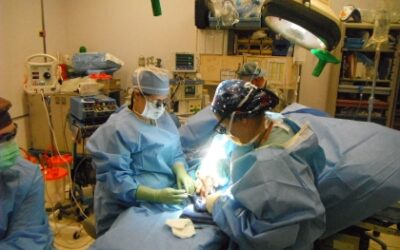
As combat casualty care improved over time during the wars in Iraq and Afghanistan, the use of nontherapeutic laparotomy (NTL) decreased.
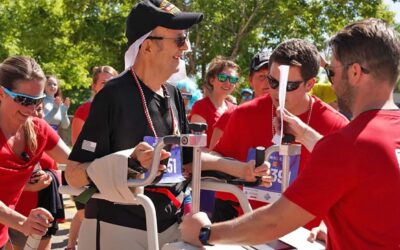
The Spinal Cord Injury and Disorders (SCID) system, the hub-and-spoke model of care that VA uses to treat some of its most vulnerable veterans, is in danger of collapse, veterans’ advocates are telling lawmakers. According to them, the system is under-financed and understaffed, with patients being turned away because of the lack of resources.
While traumatic brain injury (TBI) and its impact on the lives of servicemembers and veterans have received considerable attention, most of that attention has focused on TBIs incurred during combat.
Traumatic brain injury (TBI) has been linked to poor long-term outcomes in the veteran population, including cardiovascular disease, dementia, epilepsy and mental health issues. A new study of post-9/11 veterans provides evidence of yet another concerning effect of TBI—an increased, although still low, risk of brain cancer.
To help save lives, especially in battlefield situations, the U.S. military has frequently used a so-called walking blood bank to obtain warm, fresh whole blood (WFWB).
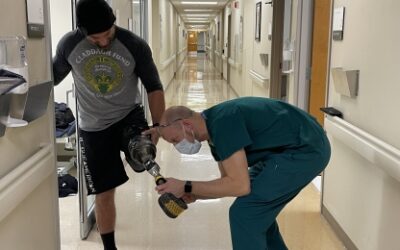
Although amputations are medically necessary and could decrease pain, improve mobility and expedite return to activity, limb loss could negatively impact metabolic regulation and contribute to a higher risk of obesity, according to a recent military study.
Too many women veterans remained undiagnosed with sleep apnea, even if they were at high risk of adverse outcomes, according to a new study.
Tens of thousands of less-than-honorably discharged veterans will have an easier avenue to have those discharges reconsidered and possibly adjusted, making it more straightforward for them to access VA services.
IOWA CITY, IOWA — High rates of diabetes, obesity, smoking, and other risk factors elevate veterans’ risk of peripheral artery disease (PAD) and critical limb ischemia.
BIRMINGHAM – What is the pain experience after total knee arthroplasty and how does it affect outcome six to 12 months later? That is the question raised in an article in JAMA Network Open. The Birmingham, AL, VAMC and University of Alabama at Birmingham researchers...
When integrated into combat casualty care, early use of regional anesthesia appears to provide sustained pain benefits throughout rehabilitation and recovery.
