Sudden cardiac arrest is a silent and often fatal event that strikes without warning, even among those in peak physical condition. In the civilian world, survival rates for out-of-hospital cardiac arrest are alarmingly low.



Sudden cardiac arrest is a silent and often fatal event that strikes without warning, even among those in peak physical condition. In the civilian world, survival rates for out-of-hospital cardiac arrest are alarmingly low.
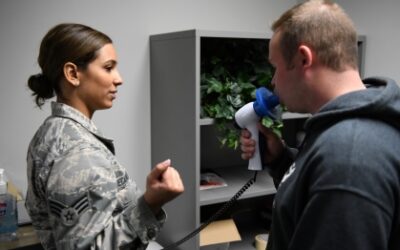
When evaluating airway obstruction in military personnel after deployment, impulse oscillometry (IOS) may serve as an additional diagnosis tool, but it can’t replace the reliability of the standard spirometric evaluation, according to a recent study.
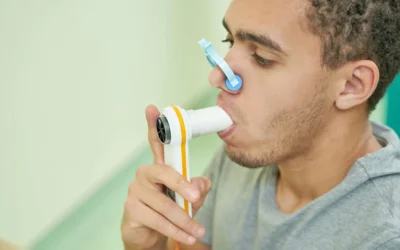
Chronic obstructive pulmonary disease, a group of progressive and complex conditions that affect the lungs, require a comprehensive treatment approach.
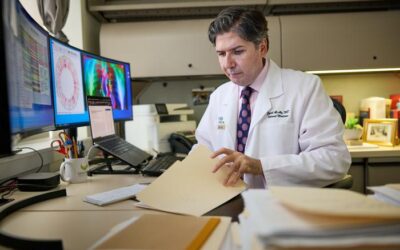
While glucagon-like peptide-1 receptor agonists (GLP-1RA) are known to successfully treat diabetes and aid weight loss, they also have other widespread benefits, including for cognitive and behavioral health.

In his final press conference, VA Secretary Denis McDonough discussed what he thinks should be the top priority for incoming department leaders.

At a public examination of VA’s ongoing budget crisis, Republican legislators accused agency leaders of general incompetence and of using the budget as political leverage during an election season.

Veteran patients nationwide who received care from Technology-based Eye Care Services (TECS), a tele-ophthalmology program operating in the VHA, reported having a favorable experience.
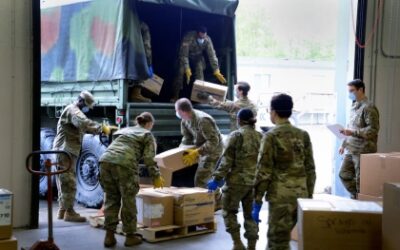
Next month marks the 5-year anniversary of the first case of COVID-19 reported in the United States. Since then, more than 110 million Americans have been infected, and 1.2 million have died.
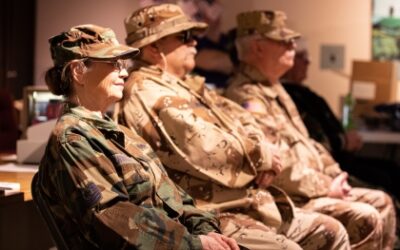
For many veterans who served during the 1990-1991 Gulf War era, Gulf War Illness (GWI) and chronic ill health have lasting effects nearly 30 years later, according to a recent study.

More than 14 million Americans now provide daily care to wounded, ill or injured military servicemembers or veterans, according to a new RAND report commissioned by the Elizabeth Dole Foundation.
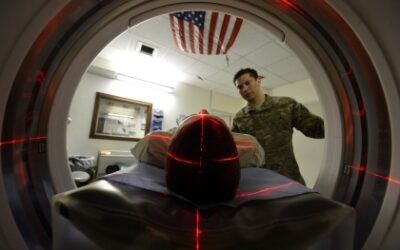
Traumatic brain injury, especially involving penetration, significantly increased the risk for atrial fibrillation or atrial flutter in U.S. military servicemembers and veterans, according to a new study.

Native Americans serve in the military at the highest rates per capita of any racial or ethnic group. According to the Office of Health Equity, analysis of fiscal year 2016 to 2019 data revealed that American Indian veterans, less than half were enrolled in VA care.

A study of almost a half-million veterans has found for the first time a link between environmental exposures during military service and the development of myeloproliferative neoplasms (MPNs).
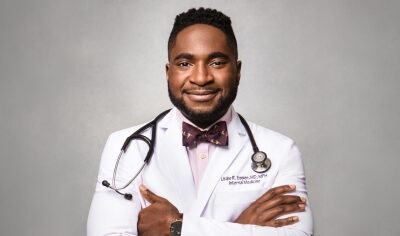
A general internist and health services researcher with the Center for the Study of Healthcare Innovation, Implementation, and Policy (CSHIIP) at the Greater Los Angeles Healthcare System, Utibe Essien, MD, MPH, has devoted his career to defining and then breaking down the systemic problems that lead to healthcare inequity.
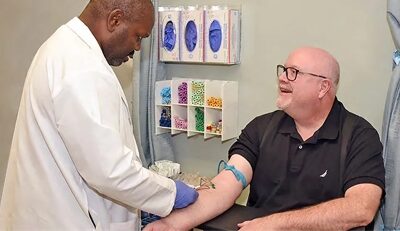
Prostate cancer affects an estimated 1 in 8 men at some point during their lives, with black men affected at almost double the rate of whites.

The prevalence of chronic pain is documented to be several times higher in U.S. veterans than the general population. Efforts to deal with that unrelenting issue have led to myriad problems, including elevated rates of substance abuse.
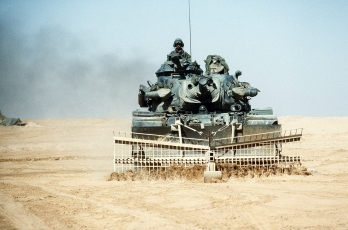
A disorder related to military service in the 1991 Gulf War (GW), Gulf War illness (GWI)/Chronic Multisymptom Illness (CMI), includes symptoms such as fatigue, pain and cognitive dysfunction.
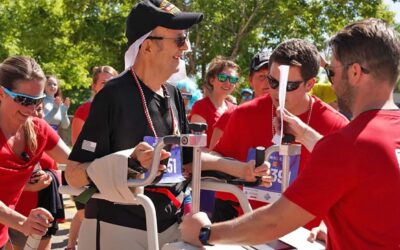
The Spinal Cord Injury and Disorders (SCID) system, the hub-and-spoke model of care that VA uses to treat some of its most vulnerable veterans, is in danger of collapse, veterans’ advocates are telling lawmakers. According to them, the system is under-financed and understaffed, with patients being turned away because of the lack of resources.

Servicemembers with prolonged deployment to military bases with open burn pits might have an increased risk for developing adverse health conditions, such as respiratory and cardiovascular disease, according to a recent study.
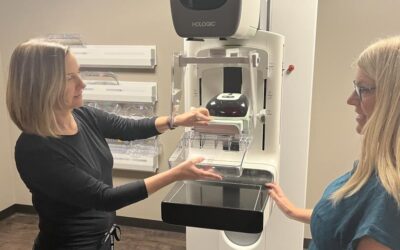
Screening mammography plays a crucial role in identifying and treating breast cancer at its early stages, yet many women who could benefit from regular mammogram screenings don’t receive them.

The VA is experiencing less of a resource crunch this year due to the PACT Act-related surge than previously expected, according to VA Secretary Denis McDonough. He gave the credit to early planning and increased hiring.

VA has dramatically accelerated the healthcare provision of the PACT Act, opening healthcare enrollment to hundreds of thousands of veterans who might have been exposed to toxic substances during their service.

Do concussions caused by explosive battlefield blasts increase the risk of developing Alzheimer’s disease (AD)?
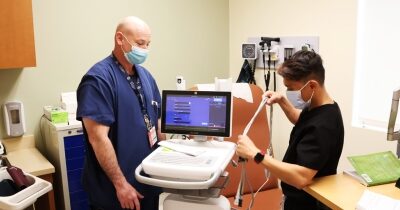
Several recent studies have shown that VA healthcare is consistently as good as—or better than—non-VA healthcare. Now a study shows VA healthcare is also more efficient.

VA has long struggled to provide care to veterans in rural areas of the country. Veterans living there are frequently required to drive long distances to VA hospitals, and smaller VA clinics are not always available.

With a worsening climate crisis, VA expects to be called upon more and more to implement its fourth mission—to act as a backstop for the nation’s overall healthcare network during times of emergency.
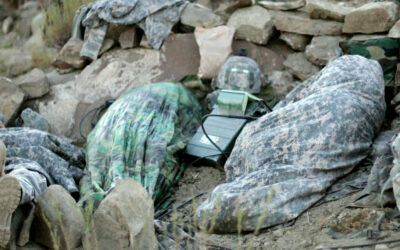
Insufficient and disturbed sleep, as well as clinical sleep disorders such as obstructive sleep apnea, shift work disorder and nightmare disorder, are highly prevalent in the U.S. military and can result in increased accident risk and diminished military readiness.

For many high-demand medical professions, VA will likely never be able to fully compete with the private sector, regardless of the breadth of benefits the department can offer, according to VA Secretary Denis McDonough.
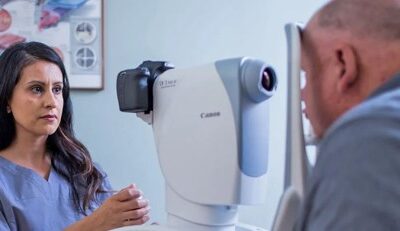
VA is working to establish a set of national credentials for more than 50 healthcare occupations, allowing the department to transfer care workers more easily from state to state.
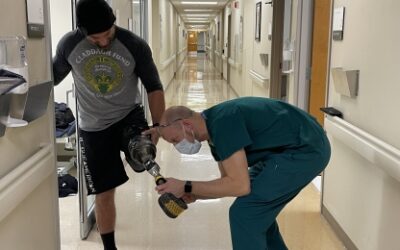
Although amputations are medically necessary and could decrease pain, improve mobility and expedite return to activity, limb loss could negatively impact metabolic regulation and contribute to a higher risk of obesity, according to a recent military study.