President Joe Biden, despite being 79 years old, had a mild case of COVID-19. The primary explanation for why he escaped severe symptoms is that he was not only vaccinated, but double-boosted.
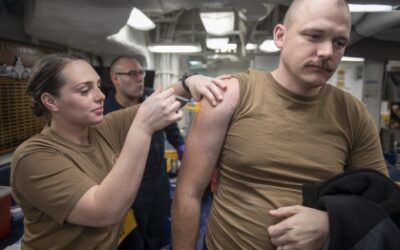


President Joe Biden, despite being 79 years old, had a mild case of COVID-19. The primary explanation for why he escaped severe symptoms is that he was not only vaccinated, but double-boosted.

For decades, VA’s response to preventing veteran suicide has been focused almost exclusively on healthcare, specifically mental healthcare.
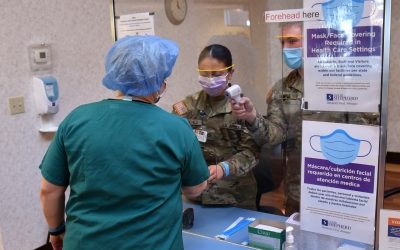
For more than two years, the National Guard has risen to the challenges posed by COVID-19 as the pandemic has disrupted lives, supply chains, health care, education and more.
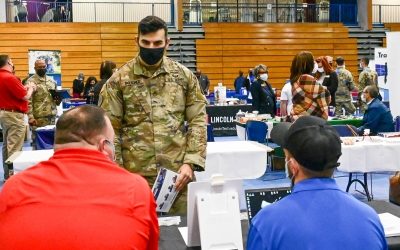
Each year, more than 200,000 servicemembers leave the U.S. military—a transition that can prove difficult.
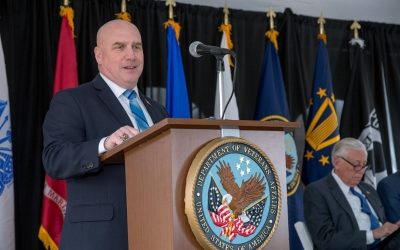
The latter half of December and the first weeks of the new year were trying times for hospitals as the Omicron variant began sweeping across the country, causing infection rates and hospitalizations to rise to levels unprecedented even during the earliest months of the pandemic.
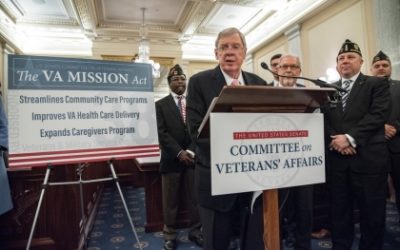
Media reports that veterans were being denied community care for financial reasons once again raised questions about how the Mission Act is being administered.
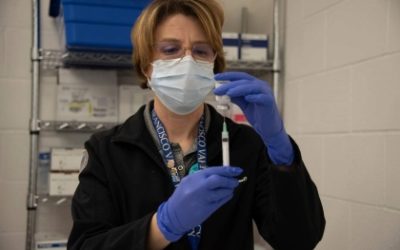
For years, the Institute of Safe Medical Practices and other safety groups have been staunch advocates of technology solutions such as gravimetric verification of drug and diluent volumes and have strongly encouraged their implementation to augment manual processes and provide additional safeguards during sterile compounding.
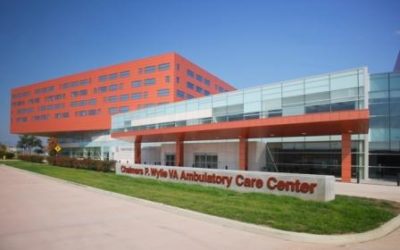
VA knew of problems with its new scheduling system prior to its implementation at the Chalmers P. Wylie VA Ambulatory Care Center in Columbus, OH, and later at the Mann-Grandstaff VAMC in Spokane, WA, but failed to fix them before going live at the two facilities, according to a report released last month.
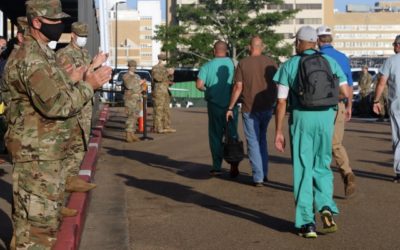
Despite older age and more potentially dangerous comorbidities, veterans receiving VA care fared better last year than those treated in community healthcare systems during the COVID-19 pandemic, according to a new study.
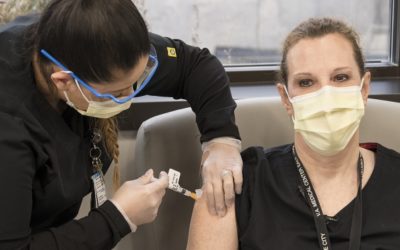
Nearly all, 98%, of VA employees facing a COVID-19 vaccination requirement have had at least one dose of vaccine or have requested an exception or extension, according to White House data released just before Thanksgiving.
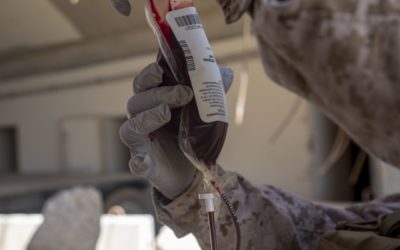
For much of the history of modern medicine, whole blood was the best—and only—option for patients needing transfusion after surgery or major trauma.
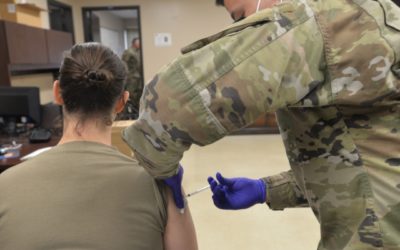
The DoD is moving steadily toward its goal of vaccinating all military personnel. By early November, 97% of the DoD’s active-duty force had received at least one dose of COVID-19 vaccine.
Anxiety isn’t just mental. It can also cause physical symptoms, such as heart palpitations, sweaty palms or shortness of breath. Anxiety sensitivity reflects the belief that those bodily sensations are harmful and dangerous.
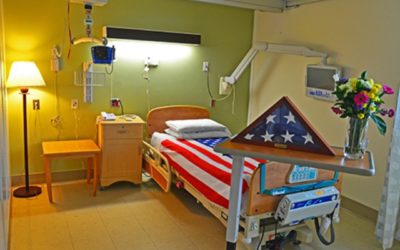
Most veterans with post-traumatic stress disorder don’t just age out of it. At their end of life, veterans with PTSD often frequently exhibit irritability with their caregivers, sleep problems, nightmares, anxiety, guilt, lack of acceptance and restlessness, according to recent research.

While there has been considerable focus by VA in recent weeks on reaching out to LGBTQ veterans, especially those discharged under Don’t Ask, Don’t Tell restrictions, some legislators and veterans advocates are seeking to broaden the conversation around equity and inclusion.
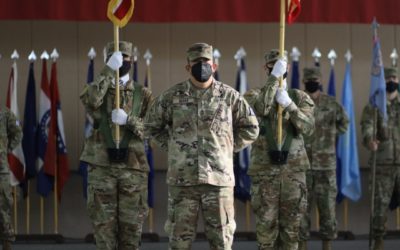
U.S. military bases around the country—and some around the world—have begun to increase health protection measures to guard against the surge in COVID-19 cases due to variants, such as delta, that have been spreading for months.
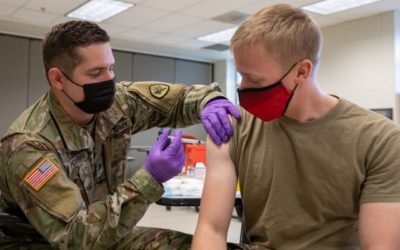
By mid-December, all U.S. active-duty servicemembers will either be vaccinated against COVID-19 or have received an approved exemption from their service branch.
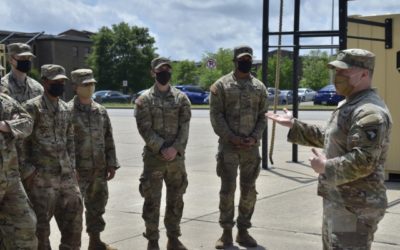
At 0.2% percent, the military’s current COVID-19 mortality rate is far lower than that of the general American public, which is just under 2%. But often those who contract and survive COVID-19 have to live with its long-term effects, regardless of the severity of their acute illness.
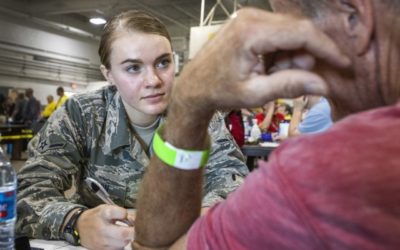
From 2010 to 2016, the number of veterans living on the streets dropped by half and the ending veteran homelessness within a decade appeared feasible.
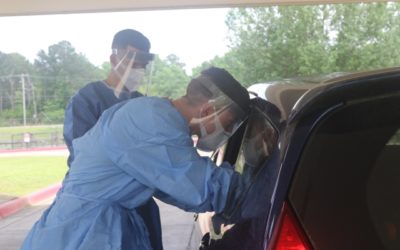
The COVID-19 pandemic laid bare the impact of disparities in access to healthcare and ongoing differences in the seriousness accorded to minority patients’ health concerns. It also revealed significant benefits of receiving care through the VA.

Lesbian, gay and bisexual veterans who served in the Vietnam era reported more post-traumatic stress disorder and other mental health issues than their heterosexual counterparts, and a new analysis of data from a nationwide study survey questioned whether that was related to past trauma related to sexual identity.
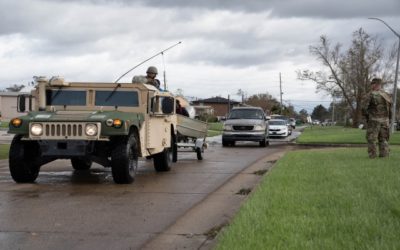
As of the end of August, the National Guard had activated more than 5,200 personnel in Louisiana, Mississippi, Texas and Alabama in response to Hurricane Ida, according to Army Maj. Gen. William D. “Hank” Taylor, the Joint Staff deputy director for regional operations.
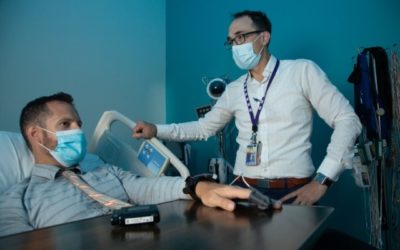
Sleep is essential to mental and physical well-being, and not getting enough sleep can lead to stress or difficulties concentrating, solving problems—even fighting off infection. At the same time, stress and anxiety can also lead to disrupted sleep.
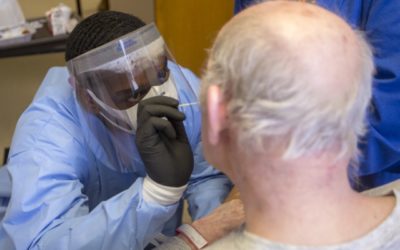
Identifying SARS-CoV-2 infections quickly and accurately is critical to managing the COVID-19 pandemic and reducing community spread of the virus.
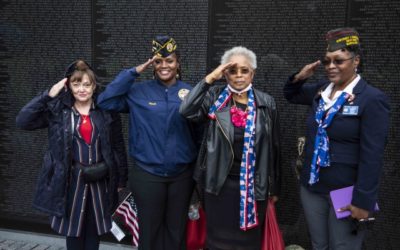
As the baby boomer generation begins to reach the age where they will require regular, long-term care, VA will be required to shift a huge portion of its resources to care for them.

VA’s police force will likely soon be equipped with body-worn cameras, either through the department’s own initiative or by legislative fiat.
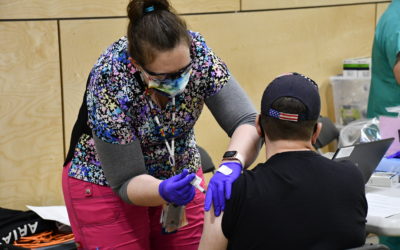
Veterans enrolled in VA care are not a typical population of U.S. patients. Because of older age, higher burden of comorbidities and higher prevalence of social vulnerability factors, they are at higher risk for a range of health consequences.

The average age of VA’s healthcare facilities is now more than 50 years old. As those buildings have aged, the cost of maintaining them has risen, and VA has not always been able to keep up.
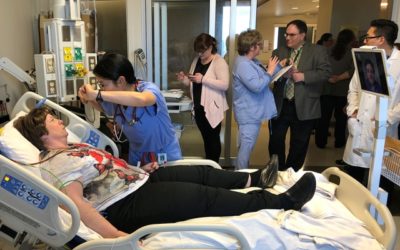
While it is well known that a stroke or a transient ischemic attack (TIA) signals higher risk for stroke in the future, a new guideline emphasizes that identifying the cause of the initial event can better guide specific prevention strategies to reduce the risk of additional strokes.
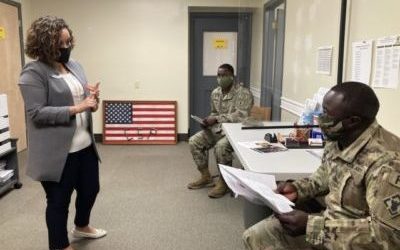
Transitioning from active duty military service to civilian life is difficult at the best of times. The pandemic added a host of new challenges, highlighted existing problems with the transitioning process and widened the cracks through which those veterans who are most in need of support are in danger of falling.
