

Post-traumatic stress disorder (PTSD) and depression are common mental health conditions among U.S. servicemembers, yet only a fraction of those affected pursue mental healthcare services. An even smaller proportion receive adequate levels of care.
Schizophrenia, Antipsychotics Raised Dementia Risks in Veterans With HIV
A new study raised alarms about the association between dementia risks in HIV patients with schizophrenia and the use of off-label antipsychotics.
Suicide Rates Continue to Rise, Especially for Active-Duty U.S. Servicemembers
Suicide deaths per 100,000 servicemembers were 9% higher in 2023 than in 2022, according to a report from the DoD, which advises that 523 servicemembers took their own lives last year.
Probability of Unique Symptom Combinations in Mental Health Disorders
Using common diagnostic criteria might have limited generalizability to the large group of individuals with a low-probability symptom combination, according to a new study.
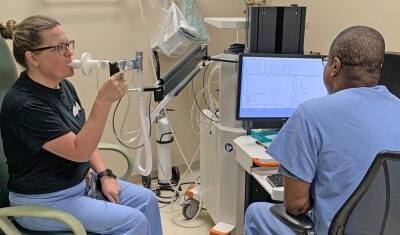
Strong Links Found Between Obstructive Respiratory Disease in Veterans, Psychiatric Health Conditions
Veterans with obstructive respiratory disease should receive timely screening and treatment for comorbid psychiatric and medical conditions that frequently accompany the condition, according to a new study.
GAO: Servicemembers in Need of Mental Health Services Are Falling Through the Cracks as They Transition to VA Care
Two recent investigations by the Government Accountability Office (GAO) have highlighted how seemingly small procedural issues and technical errors can lead to servicemembers and veterans not receiving much-needed mental health services.
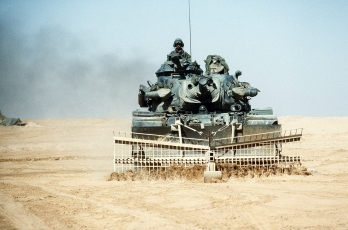
Olfactory Function Loss in GW Veterans Linked to Cognitive Deficits
A disorder related to military service in the 1991 Gulf War (GW), Gulf War illness (GWI)/Chronic Multisymptom Illness (CMI), includes symptoms such as fatigue, pain and cognitive dysfunction.
Psychiatric, Health Factors Should Be Considered in Veterans With Cognitive Decline
While cognitive decline in older people often raises suspicion of early Alzheimer’s disease, a new VA study underscores the importance of considering how factors beyond Alzheimer’s—including post-traumatic stress disorder (PTSD), pain and sleep difficulties—might also impact cognition in older veterans.
Smaller Brainstem Volumes Found in Gulf War, Iraq/Afghanistan Veterans
Gulf War and Iraq/Afghanistan veterans have significantly smaller brainstem volumes compared to healthy civilians, and damage to the brainstem structure of these veterans could potentially lead to sleep disturbances and chronic pain, according to a recent study.
Social Avoidance, Other Deficits Appear to Be Features of Schizophrenia, Bipolar Disorder, Not Just the Consequences of Social Isolation
While individuals with schizophrenia and bipolar disorder often have difficulty with relationships and being part of a community, a recent study involving U.S. veterans has found that social cognitive deficits and high social avoidance motivation appear to be actual features of the clinical conditions and not the result of living in social isolation.

Navy Investigates Sailor Suicides; Exacerbated by Shipyard Maintenance Periods
The Navy has been under public scrutiny in recent years after experiencing a rash of suicides aboard multiple ships, many of them undergoing maintenance at shipyards.
Intravenous Ketamine Treatment Improves Depression in Veterans
Veterans who received intravenous ketamine treatments had improved symptoms of depression within the first 6 weeks, and these improvements were sustained over at least 6 months with decreasing infusion frequency, according to a recent study.
Study: Vietnam War-Era Veterans Not at Increased Risk of Suicide Mortality
Veterans who served in the Vietnam War era, either in theater or not deployed, are not at increased risk of suicide mortality compared with the U.S. population, although the number of suicides among these veterans is noteworthy and merits the attention of mental health professionals and policymakers, according to a recent study.
VA Telemedicine Rates Remain High After COVID-19 Pandemic, Especially for Mental Healthcare Visits
Following the COVID-19 pandemic, telemedicine rates for veterans enrolled in VA healthcare services remained high, accounting for more than half of mental healthcare visits, while telephone-based care has decreased to pre-pandemic levels, according to a recent study.
Vet Centers Don’t Always Appropriately Document, Address Veteran Suicide Risk
VA’s Vet Centers are repeatedly falling short when it comes to properly assessing and documenting veterans’ suicide risk, according to department watchdogs.
Psychological Distress Complicates Remote mTBI
Recovery from mild traumatic brain injury (mTBI) and posttraumatic stress, which are prevalent in military servicemembers, is complicated because the conditions share objective and subjective cognitive symptoms.
Cannabis-Use Disorder Riskier in Veterans With Mental Health Conditions
Veterans with psychiatric disorders, especially those with serious mental health issues, are especially vulnerable to cannabis-use disorder, according to a new study warning of an increase in the condition.
Veterans’ Disinhibited Behaviors Linked to Range of Physical, Mental Conditions
Behavioral disinhibition is an externalizing (EXT) disorder common with many psychiatric conditions. Recent genome-wide association studies (GWASs) have demonstrated the overlap between EXT disorders and important aspects of veterans’ health, such as suicide-related behaviors and substance-use disorders (SUDs).
Despite Expanded Efforts by VA, Veteran Suicides Rose Slightly in Recent Report
A new VA report revealed that 6,392 veterans died by suicide in 2021, the most-recent year for which data was available. That was 114 more than in 2020.
New VA Podcast Explores Use of Psychedelic-Assisted Therapies for PTSD
Marine and Army veteran Jonathan Leubecky suffered from PTSD and several suicide attempts following deployment to Iraq. His first attempt to take his life was only two months after his return home in 2006.
What Happens to Veterans Discontinuing Depression Treatment?
Nearly half of veterans who discontinue treatment for depression end up going back within six months, with reengagement rates higher in those receiving both psychotherapy and antidepressant medications.
Bipolar Veterans Sometimes Struggle to Get Pain Treatment at VA
Bipolar veterans with chronic pain sometimes have problems receiving evidence-based treatment in the VA healthcare system, according to a new study.
Pregnant Veterans Often Discontinue Antidepressants, Monitoring Needed
VA medical providers and veterans need more education about the risks and benefits from continuing antidepressants during pregnancy, according to a new study.
Anti-Suicide Program Offering Free Emergency Care Shows Some Success
At the beginning of this year, VA announced a program whereby veterans in suicidal crisis could go to any VA or non-VA healthcare facility for free emergency healthcare.
TBI Triples Suicide Rate Among Veterans vs. General US Population
As suicide deaths have reached shocking highs among American adults as a whole, the rates for U.S. veterans are even higher—57.3% greater than for nonveterans.
American Indian/Alaska Native Veterans Had Less Access to Mental Telehealthcare
The American Indian/Alaskan Native population has traditionally experienced more serious health issues and barriers to healthcare compared to those of other races or ethnicities.
Program Miles Helped Create Teaches Veterans How to Process Emotions
Psychotherapy is never easy, especially for a veteran being treated for post-traumatic stress disorder (PTSD). Being asked to recall and dissect the most traumatic moments in your life can be an arduous task for anyone.
Ketamine Appears to Be as Effective as ECT for Treatment-Resistant Depression
Ketamine was found to be noninferior to electroconvulsive therapy (ECT) as therapy for treatment-resistant major depression without psychosis, according to a new study.
Alternative Measurement Finds Slightly Higher Veteran Suicide Rate Than General Population
By any measure, suicide rates for veterans are higher than the general U.S. population; how much higher, however, can vary greatly by how the comparison group is defined.
OIG Calls for Update of 2008 VA Mental Health Services Handbook
VA’s mental health services handbook is almost a decade out of date, making consistent care more difficult to achieve and possibly putting veterans’ safety at risk, according to a report by the VA Office of the Inspector General (OIG).
